
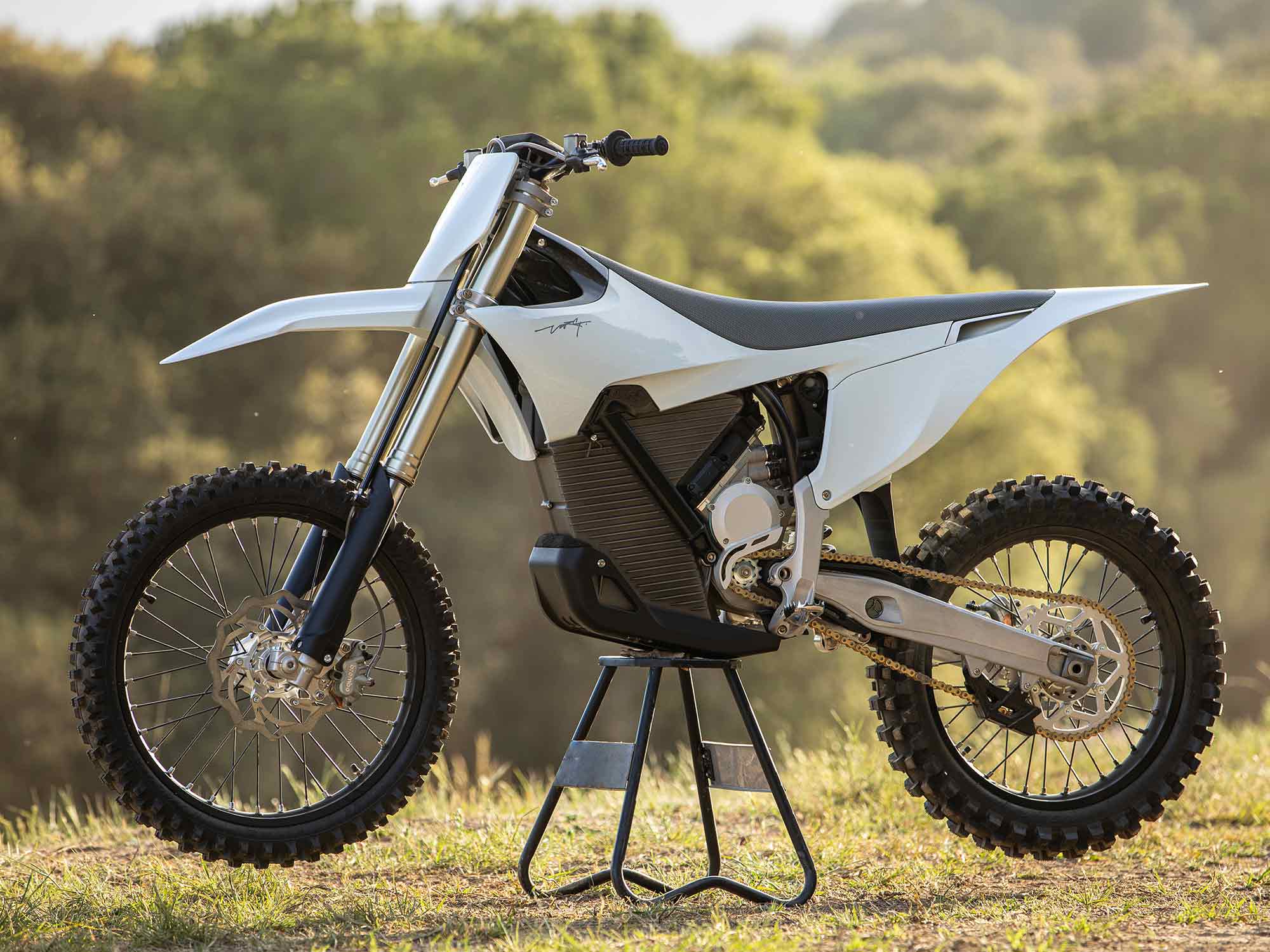
Stark Varg: The Ghost in the Machine
Introduction
The silence is deafening. You stand trackside, the smell of freshly tilled dirt and high-octane fuel usually thick in the air. But today, the usual braap and roar are absent. Replaced by… a faint whir. A futuristic hum. A whisper of something new. This is the sound of the Stark Varg, the all-electric dirt bike that’s shaking the foundations of motocross. But is it a revolution? Or a ghost in the machine, promising a utopian future that’s still just out of reach?
The Varg, Swedish for “strong wolf,” boasts incredible stats: 80 horsepower, more torque than a 450cc gas-powered beast, and a customizable power curve to suit any rider’s skill level. Early reviews rave about the instant torque, the nimble handling, and the sheer, unadulterated fun. But beneath the sleek lines and cutting-edge technology, a few crucial questions linger, casting a shadow on its long-term viability.
The Short-Term Sting: The Price of Progress
Let’s be blunt: the Stark Varg isn’t cheap. It’s a premium product with a premium price tag. While the long-term savings on fuel and maintenance are touted, the initial investment can be a significant barrier to entry, particularly for grassroots riders and families on a budget. This immediate hurdle creates a potential accessibility gap, limiting the adoption of electric motocross to a smaller, more affluent segment of the community.
Beyond the initial cost, there are concerns about the charging infrastructure. While a standard household outlet will work, it’s painfully slow. Trackside charging solutions are still developing, and the availability of high-powered charging stations remains limited. This can lead to range anxiety – the fear of running out of battery mid-moto – a new and unfamiliar stress for riders used to simply topping off their tank.
And then there’s the sound… or lack thereof. While some find the quiet operation a refreshing change, others argue that the visceral roar of an engine is an integral part of the motocross experience. The absence of engine noise can also be a safety concern, potentially making it harder for riders to hear each other on the track.
The Long-Term Echo: Echoes of Disruption and Doubt
The long-term implications of electric motocross are far more profound. The potential for cleaner, quieter tracks and riding areas is undeniable. Imagine a world where noise pollution is minimized, and access to riding locations isn’t constantly threatened by noise complaints. This could open up new opportunities for motocross facilities closer to urban areas, making the sport more accessible to a wider audience.
However, the transition to electric power also presents significant challenges for the existing motocross ecosystem. The infrastructure for maintaining and repairing electric bikes is vastly different from that of traditional machines. Mechanics need specialized training, and dealerships need to invest in new equipment. This could lead to job displacement and economic disruption within the industry.
Furthermore, the long-term environmental impact of electric bikes is dependent on the source of electricity used to charge them. If the electricity is generated from coal or other fossil fuels, the environmental benefits are significantly diminished. A truly sustainable future for electric motocross requires a shift towards renewable energy sources.
Taming the Ghost: Practical Solutions for a Sustainable Future
The key to unlocking the full potential of electric motocross lies in addressing these challenges with practical and adaptable solutions:
- Incentivizing Adoption: Governments and manufacturers can play a crucial role in accelerating the adoption of electric motocross by offering financial incentives such as tax credits, rebates, and subsidies. These incentives can help offset the higher initial cost of electric bikes, making them more accessible to a wider range of riders.
- Building the Infrastructure: Investing in a robust and readily available charging infrastructure is essential. This includes installing high-powered charging stations at motocross tracks, dealerships, and public spaces. Collaborations between manufacturers, track owners, and energy providers are crucial to make this happen. Companies like Tesla are already paving the way with their Supercharger network, and similar models can be adapted for the motocross world.
- Education and Training: Investing in training programs for mechanics and technicians is vital to ensure that they have the skills and knowledge necessary to maintain and repair electric bikes. This can be achieved through partnerships between manufacturers, technical schools, and industry organizations.
- Sound Solutions: Addressing the sound issue requires innovative thinking. Some companies are experimenting with artificial engine sounds that can be customized by the rider. Another solution is to develop clear communication protocols and safety measures that minimize the risk of collisions on the track.
- Promoting Sustainable Energy: Encourage the use of renewable energy sources to power electric motocross bikes. This can be achieved through government policies that incentivize the development of renewable energy infrastructure and by encouraging riders to use renewable energy sources to charge their bikes.
- Community Engagement: Open communication and dialogue between manufacturers, riders, and the motocross community are vital to address concerns and build consensus. This can be achieved through online forums, workshops, and community events.
Alternative Approaches: Tailoring the Solution to the Rider
Not every rider is ready to make the leap to a fully electric bike. Fortunately, there are alternative approaches that can help bridge the gap:
- Hybrid Models: Hybrid motocross bikes that combine an electric motor with a small gas engine could offer a compromise between performance and convenience. These bikes could provide the instant torque and quiet operation of an electric bike while retaining the range and refueling capabilities of a gas-powered machine.
- Electric Conversion Kits: For riders who already own a gas-powered bike, electric conversion kits offer a way to upgrade their existing machine to electric power. These kits typically include an electric motor, battery pack, and controller, and can be installed by a qualified mechanic.
- Riding Electric on Designated Tracks: Creating designated electric-only tracks and riding areas can provide a safe and controlled environment for riders to experience the benefits of electric motocross without disrupting the traditional riding experience.
Conclusion: A Spark of Hope in the Silence
The Stark Varg, and the electric revolution it represents, is not without its challenges. But like any disruptive technology, it holds the potential to transform the sport for the better. By addressing the immediate hurdles and embracing practical solutions, we can harness the power of electric motocross to create a cleaner, quieter, and more accessible future for the sport.
The silence you hear trackside isn’t the sound of motocross fading away. It’s the sound of innovation, of a new chapter being written. It’s the sound of potential, waiting to be unleashed. So, embrace the change, engage in the conversation, and let’s work together to make electric motocross a roaring success. The future is electric, and it’s waiting to be ridden.