
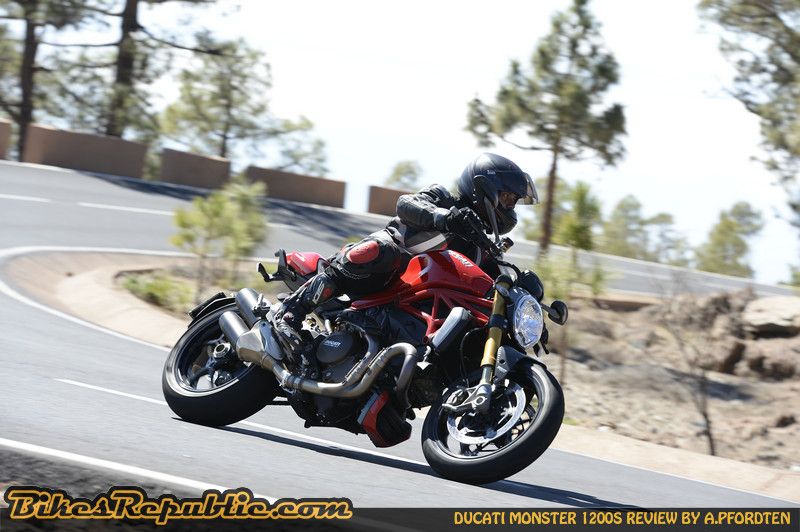
Monster Unleashed: Taming Ducati’s 1200
Introduction
Ducati. The name alone conjures images of fiery red paint, a guttural roar, and the promise of unadulterated speed. The Monster 1200, with its trellis frame proudly on display and a potent V-twin heart, is arguably the purest embodiment of that Ducati DNA. But let’s be honest – that untamed power can sometimes feel like, well, an actual monster. A thrilling one, granted, but a beast nonetheless. Are you ready to learn how to tame it?
Explanation of the Problem
For many riders, the initial allure of the Monster 1200 is quickly followed by a dose of reality. The low-end snatchiness, the abrupt throttle response, the feeling that you’re wrestling a raging bull – it’s all part of the package. And while some seasoned riders relish this raw character, it can be intimidating, even frustrating, for others.
The Short-Term Sting and the Long-Term Burn:
The immediate consequences of an untamed Monster are pretty obvious. Jerky acceleration, unexpected wheelies (not always intentional!), and a general lack of smoothness translate to a less enjoyable ride. You’re constantly fighting the bike instead of flowing with it. This can lead to fatigue, decreased confidence, and even dangerous situations, particularly in tight, urban environments.
But the long-term implications can be even more significant. Over time, wrestling with an unruly motorcycle can lead to bad riding habits. You might compensate for the snatchy throttle with overly cautious inputs, or become hesitant to lean into corners for fear of upsetting the bike. This not only limits your riding potential but also diminishes the joy of owning a truly exceptional machine. Furthermore, unnecessary wear and tear on components like the clutch and chain can lead to costly repairs down the line. Ultimately, failing to tame the Monster prevents you from truly experiencing everything it has to offer.
So, how do we transform this wild beast into a smooth, responsive, and confidence-inspiring ride? Let’s explore some practical solutions:
Solutions
Solution 1: The Power of Smooth Throttle Control
This might seem obvious, but it’s fundamental. The Monster 1200 is incredibly sensitive to throttle inputs, especially at low RPMs. The key is to develop a feather-light touch.
- The Technique: Practice rolling on and off the throttle with excruciating slowness. Imagine you’re trying not to spill a cup of coffee balanced on the tank. Focus on micro-adjustments, minimizing any sudden movements.
- Case Study: A friend of mine, initially intimidated by his Monster 1200, spent weeks practicing throttle control in an empty parking lot. He focused on maintaining a constant speed at low RPMs, gradually increasing the challenge by navigating cones. The result? A dramatic improvement in smoothness and a newfound confidence in his riding.
Solution 2: Harness the Electronics – Riding Modes and Traction Control
Ducati equipped the Monster 1200 with a sophisticated suite of electronics, including riding modes (Sport, Touring, Urban) and adjustable traction control (DTC). These systems are designed to help tame the beast, but they’re often underutilized.
- Riding Modes: Experiment with the different riding modes. The “Urban” mode, for example, significantly softens the throttle response and reduces the power output, making it ideal for navigating congested city streets. The “Touring” mode offers a balance between performance and comfort, while “Sport” unleashes the full fury of the engine (use with caution!).
- Traction Control: Don’t be afraid to adjust the DTC settings. A higher level of intervention provides more safety and stability, especially in slippery conditions. As your skills improve, you can gradually reduce the DTC level for a more engaging ride.
- Example: A rider struggling with wheelspin on corner exits found that increasing the DTC level in the “Sport” mode dramatically improved their confidence and allowed them to apply more throttle without fear of losing control.
Solution 3: Gear Selection is Key
Riding the Monster 1200 in the wrong gear can exacerbate the snatchy throttle response. Lugging the engine at low RPMs puts you right in the sweet spot of the torque curve, leading to jerky acceleration.
- The Approach: Experiment with using a gear lower than you normally would, especially in urban environments. This allows the engine to rev more freely and smooths out the power delivery.
- Consideration: Listen to the engine. If it feels strained or vibrates excessively, it’s a sign that you’re in too high a gear.
Solution 4: Aftermarket Solutions – ECU Remapping and Throttle Mods
If you’ve tried the above solutions and still find the throttle response too abrupt, aftermarket options can offer further refinement.
- ECU Remapping: A professional ECU remap can smooth out the power delivery and eliminate any flat spots in the torque curve. This involves modifying the engine’s computer settings to optimize fuel injection and ignition timing.
- Throttle Mods: There are aftermarket throttle cams available that alter the throttle ratio, making it less sensitive at low speeds. This can provide a more gradual and predictable throttle response.
- Caution: Always consult with a reputable tuner or mechanic before making any modifications to your motorcycle. Improperly installed modifications can negatively affect performance and reliability.
Solution 5: Suspension Adjustments
While not directly related to the engine’s behavior, properly adjusted suspension can significantly improve the overall ride quality and stability of the Monster 1200.
- The Tweak: Ensure that your suspension is properly set up for your weight and riding style. Consult your owner’s manual or seek the advice of a suspension specialist. A well-tuned suspension will absorb bumps and imperfections in the road, making the bike feel more planted and controlled.
- Real-World Impact: A rider complaining of a harsh ride and nervous handling discovered that their suspension was excessively stiff. Adjusting the preload and damping settings dramatically improved the bike’s comfort and stability, allowing them to ride with more confidence.
Alternative Approaches:
- Throttle Tamer: Products like throttle tamers can be installed to mechanically reduce the speed at which the throttle opens, providing a more gradual transition.
- Riding Courses: Taking an advanced riding course can provide valuable insights into throttle control, body positioning, and other techniques that can help you tame the Monster.
Choosing the Right Path:
The best approach to taming your Monster 1200 depends on your individual needs and preferences. Start with the simple and cost-effective solutions, like practicing throttle control and experimenting with the riding modes. If those don’t provide enough improvement, consider exploring aftermarket options. Remember, there’s no one-size-fits-all solution. The key is to experiment and find what works best for you.
Conclusion: Embrace the Beast, Refine the Ride
Taming the Ducati Monster 1200 is a journey, not a destination. It requires patience, practice, and a willingness to experiment. But the rewards are well worth the effort. By mastering the techniques outlined above, you can transform this wild beast into a smooth, responsive, and confidence-inspiring ride. You’ll unlock the full potential of the Monster 1200, experiencing the thrill of its power in a controlled and enjoyable way. So, go ahead, embrace the beast, refine the ride, and discover the true joy of owning a Ducati Monster. The open road awaits!