Interceptor 650: Still King of the Road?
Introduction
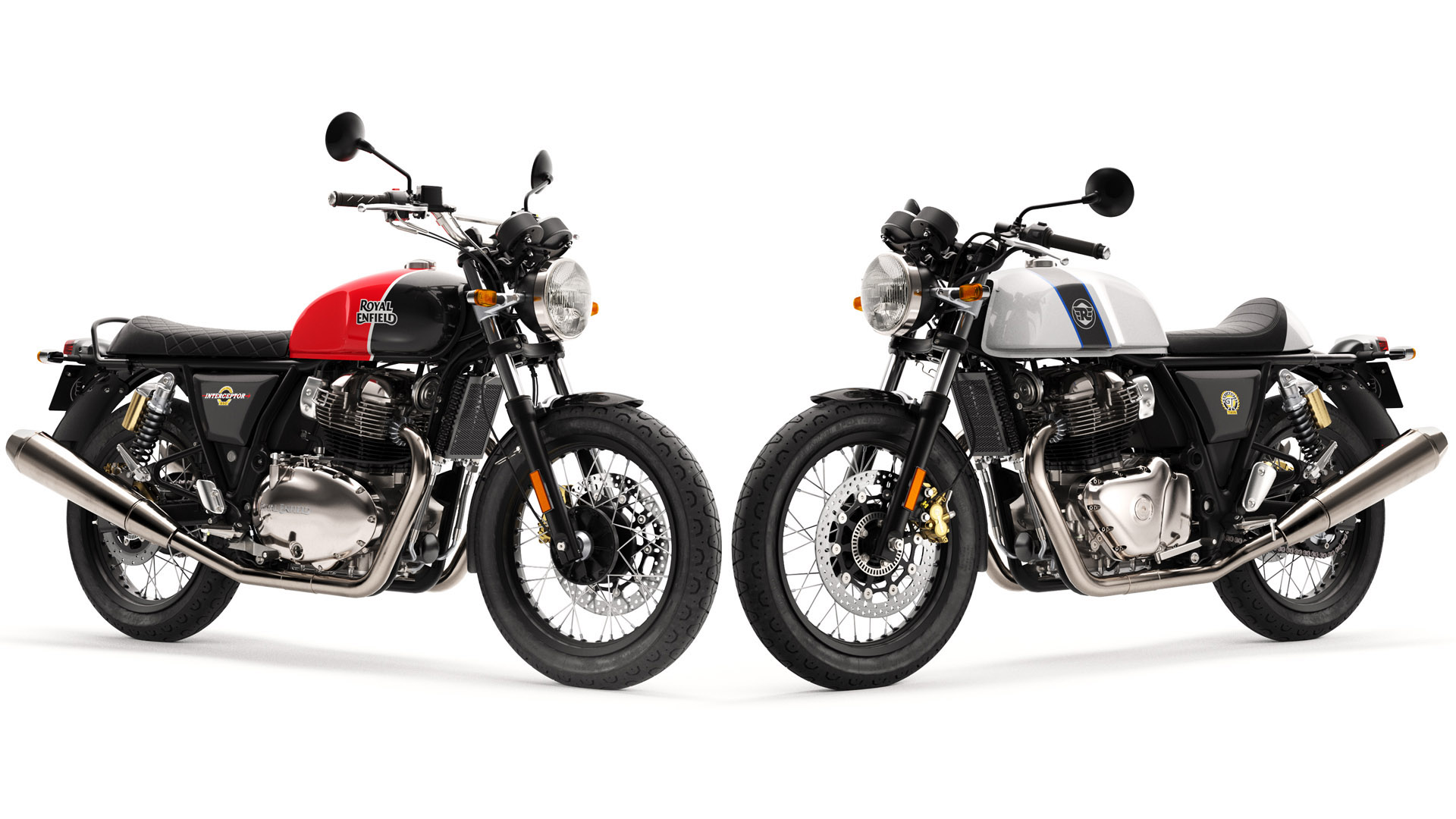
Remember that feeling? The first time you straddled a Royal Enfield Interceptor 650. The rumble beneath you, the chrome glinting in the sun, the promise of open roads beckoning. It was, and for many still is, a revelation. A classic motorcycle experience, reimagined for the modern rider, at a price point that made you question everything else on the market. It landed like a bombshell, instantly making the Interceptor 650 a modern icon. But in the ever-evolving world of motorcycles, does the Interceptor 650 still reign supreme? Or has the crown been quietly usurped?
Let’s be honest, the Interceptor wasn’t perfect. The suspension could be a bit…rustic. The brakes weren’t exactly Brembo-level sharp. And let’s not forget the weight. But what it lacked in cutting-edge tech, it more than made up for in character, accessibility, and sheer riding enjoyment. It captured the heart of motorcycling: the simple pleasure of feeling the wind in your face, the thrum of a responsive engine, and the connection to a machine that felt, well, *alive*.
But time marches on, and the competition has been busy. We’ve seen a surge in similarly priced retro-styled bikes, each vying for a piece of the Interceptor’s pie. Modern features like LED lighting, sophisticated suspension systems, and even rider aids like traction control and ride modes are becoming increasingly common, even in this segment. So, where does that leave our beloved Interceptor?
The Short-Term Rumble: New Kids on the Block
The immediate impact of this increased competition is obvious: more choices for the consumer. Brands like Triumph, Kawasaki, and even fellow Indian manufacturers have stepped up their game, offering compelling alternatives that often boast superior components and technology. This means the Interceptor, once the undisputed champion of value, is now facing some serious pressure. Potential buyers are asking tough questions: Is the Interceptor still the best bang for their buck? Are the compromises it asks of you worth it in the face of more modern options?
The short-term consequence for Royal Enfield is the need to constantly refine and improve the Interceptor. Staying static in a dynamic market is a recipe for obsolescence. We’ve already seen this with updates to the Interceptor, addressing some of the initial criticisms. But is it enough?
The Long Game: A Legacy or a Lost Opportunity?
The long-term implications are even more significant. If Royal Enfield fails to adapt and innovate, the Interceptor risks fading into obscurity, becoming a nostalgic relic rather than a continued success story. The brand’s reputation, built on the back of affordable, accessible, and characterful motorcycles, is also on the line. A failure to keep the Interceptor competitive could erode trust and send potential customers flocking to rivals.
On the other hand, if Royal Enfield plays its cards right, the Interceptor could solidify its position as a timeless classic. Think of the Volkswagen Beetle or the Mini Cooper – iconic designs that evolved over time while retaining their essential charm. The Interceptor has the potential to become a similar legend, a motorcycle that transcends trends and continues to resonate with riders for generations to come.
Revving Up the Future: Practical Solutions for Royal Enfield
So, how can Royal Enfield ensure the Interceptor remains a contender, and maybe even reclaim its crown? Here are a few practical solutions:
- Suspension Upgrade is Key: The single biggest complaint about the Interceptor has always been the suspension. A revised suspension setup, even as an optional upgrade, would dramatically improve the riding experience. Think adjustable damping and improved springs. A well-sorted suspension not only enhances comfort but also boosts confidence in corners, making the Interceptor a more capable all-around machine. Consider emulating the approach of companies like YSS or Öhlins, who offer aftermarket solutions that significantly improve the Interceptor’s handling. This shows there is a demand for this.
- Brake Boost: While not terrible, the Interceptor’s brakes could benefit from a little more bite. Upgrading to braided brake lines and higher-performance brake pads would offer a noticeable improvement without significantly increasing cost. This wouldn’t require a full Brembo system, but a slight upgrade will do.
- Embrace Technology (Judiciously): While the Interceptor’s simplicity is part of its appeal, incorporating a few carefully selected modern features wouldn’t hurt. Think LED lighting for improved visibility, and a slightly more informative instrument cluster with a gear indicator. ABS is now standard, but perhaps a basic traction control system could be offered as an option for added safety, especially in wet conditions. These additions should enhance the riding experience without detracting from the Interceptor’s retro charm.
- Customization is King: Royal Enfield has already embraced customization to some extent, but they could take it even further. Offering a wider range of factory-approved accessories and styling options would allow riders to personalize their Interceptors and make them truly unique. Think different handlebar options, seat styles, exhaust systems, and paint schemes. This not only generates revenue but also fosters a sense of community and ownership.
- Leverage the Community: The Interceptor has a thriving online community. Royal Enfield should actively engage with these riders, soliciting feedback and incorporating their suggestions into future models. Organizing events and rides, partnering with aftermarket vendors, and creating a platform for riders to share their experiences would further strengthen the Interceptor’s appeal.
Alternative Approaches: A Buffet of Possibilities
Beyond these specific improvements, Royal Enfield could also explore alternative approaches to keep the Interceptor competitive:
- The “Interceptor S”: Introduce a premium version of the Interceptor with all the bells and whistles – upgraded suspension, brakes, and technology. This would cater to riders who are willing to pay more for a more refined riding experience.
- The “Interceptor Scrambler”: Capitalize on the growing popularity of scramblers by offering a ruggedized version of the Interceptor with higher ground clearance, knobby tires, and a more upright riding position. This would appeal to riders who want a motorcycle that can handle both on and off-road adventures.
- Focus on Value: Double down on the Interceptor’s affordability by offering even more competitive pricing. This might involve streamlining production processes or sourcing components from more cost-effective suppliers. The Interceptor’s affordability is the main point of attraction.
The Road Ahead: Optimism and Action
The Interceptor 650’s story is far from over. While the road ahead may be challenging, it’s also full of opportunity. By embracing innovation, listening to its customers, and staying true to its core values, Royal Enfield can ensure the Interceptor remains a relevant and desirable motorcycle for years to come.
The future of the Interceptor 650 isn’t just about Royal Enfield; it’s about the riders who love this bike and believe in its potential. It’s about the feeling you get when you twist the throttle and hear that familiar rumble. It’s about the freedom and adventure that the Interceptor represents.
So, is the Interceptor 650 still king of the road? The answer, ultimately, depends on Royal Enfield’s willingness to adapt and evolve. But one thing is certain: the Interceptor has left an indelible mark on the motorcycling world, and its legacy will continue to inspire riders for generations to come. Now, it’s up to Royal Enfield to write the next chapter in this iconic motorcycle’s story. Are you ready for the ride?