
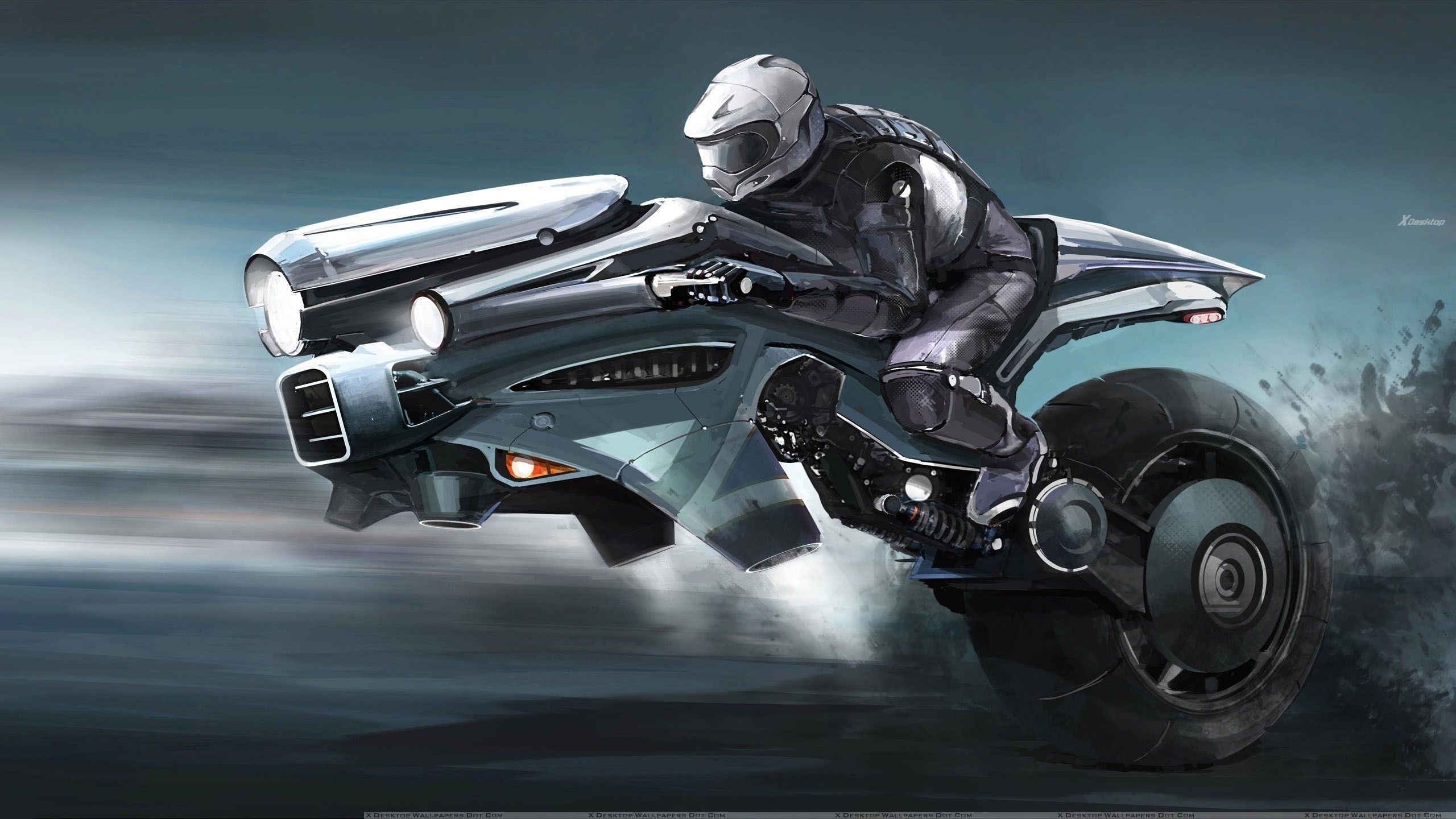
Shift Happens (Automatically): The Future of Motorcycles is Here
Introduction
Remember that feeling? The satisfying *thunk* as you kick the shifter, the surge of power as you release the clutch, perfectly timed to rocket you forward? For decades, that mechanical dance has been the defining characteristic of riding a motorcycle. But hold on to your helmets, folks, because the rhythm is about to change. Shift happens… automatically.
The future of motorcycling isn’t some far-off fantasy of flying bikes and self-aware engines. It’s already here, creeping onto showroom floors in the form of automatic and semi-automatic transmissions. And while purists might clutch their traditional gear levers in horror, the undeniable benefits are starting to win converts and hinting at a future where riding is more accessible, safer, and yes, even *more* fun.
The Clutch Conundrum: Why the Shift?
Before we dive into the solutions, let’s acknowledge the elephant in the garage: why mess with something that “ain’t broke?” Well, while the traditional manual transmission on a motorcycle offers a visceral connection to the machine, it’s not without its limitations.
- Accessibility: Let’s face it, mastering the clutch and gear coordination isn’t always easy. Many potential riders are intimidated by the learning curve, and some, due to physical limitations, are simply unable to manage the demands of a manual transmission. This limits the appeal of motorcycling to a smaller demographic.
- Fatigue: Stop-and-go traffic in urban environments can turn a thrilling ride into a tedious chore. Constantly working the clutch lever can lead to hand fatigue and even cramping, making your commute less enjoyable and potentially compromising safety.
- Distraction: Think about the mental bandwidth you dedicate to shifting gears. Especially in complex situations like navigating a tight corner or reacting to unexpected road hazards. Shifting takes focus away from what matters most: staying safe and enjoying the ride.
These challenges aren’t just theoretical. They impact the long-term viability of the motorcycle industry by limiting its growth potential. They also contribute to accidents, especially among newer riders still grappling with the fundamentals of clutch control. The industry needs to evolve, and automatic transmissions offer a compelling path forward.
Gears Without Tears: Solutions for a Smoother Ride
So, how do we solve the clutch conundrum? Luckily, manufacturers are already exploring a variety of solutions, each with its own strengths and weaknesses. Let’s take a look at a few:
- Automatic Transmissions (DCT – Dual Clutch Transmission): Think of this as the holy grail of automatic motorcycle transmissions. DCTs use two separate clutches, one for odd gears and one for even gears. This allows the transmission to pre-select the next gear, resulting in incredibly smooth and lightning-fast shifts without any interruption in power delivery. Honda’s DCT system, found on models like the Africa Twin and NC750X, is a prime example. Case Study: Honda’s adoption of DCT has been remarkably successful, with a significant percentage of Africa Twin buyers opting for the automatic version. Many riders cite the ease of use, particularly in off-road conditions, as a major selling point. This demonstrates that automatic transmissions can be embraced by even seasoned riders when executed well.
- Semi-Automatic Transmissions: These systems offer a middle ground between full automation and manual control. You still shift gears, but you do so with buttons or paddles on the handlebars, eliminating the need for a clutch lever. This provides a more engaging riding experience than a full automatic while still offering significant advantages in terms of convenience and reduced fatigue. Some older bikes used a similar system, but today these are mostly seen in the scooter and small bike market.
- Continuously Variable Transmissions (CVT): While primarily found on scooters, CVTs offer a seamless and continuously adjustable gear ratio, providing smooth acceleration without any discernible shifts. While CVTs are generally less efficient than traditional transmissions, they offer unparalleled ease of use and simplicity. Many of the newer larger cc scooters use CVT transmissions which allow the engine to keep up and produce good power.
- Electronic Aids and Quick Shifters: While not strictly “automatic” transmissions, electronic aids like quick shifters (allowing upshifts and downshifts without using the clutch) can significantly simplify the riding experience and reduce fatigue. These systems are becoming increasingly common on sport bikes and touring motorcycles, bridging the gap between manual and automatic operation.
- Electric Motorcycles: Electric motorcycles inherently offer “automatic” operation since they don’t require a clutch or gearbox. The instant torque delivery of electric motors combined with the simplicity of a single-speed transmission makes for a remarkably smooth and intuitive riding experience. As electric motorcycle technology continues to advance, this option will become even more compelling.
Choosing Your Gear: Which Solution is Right for You?
The best solution for you depends on your individual needs and riding style.
- For the Commuter: If you primarily ride in congested urban environments, a DCT or CVT might be the ideal choice, offering maximum convenience and reducing fatigue.
- For the Adventurer: A DCT equipped adventure bike can provide a significant advantage in challenging off-road conditions, allowing you to focus on navigating obstacles rather than worrying about clutch control.
- For the Sport Rider: A quick shifter can enhance your track day performance by allowing for faster and smoother gear changes.
- For the Eco-Conscious: An electric motorcycle offers a clean, quiet, and effortlessly smooth riding experience, perfect for urban commuting and weekend jaunts.
- For the Traditionalist: Electronic aids like quick shifters can be a great addition while maintaining the feel of shifting.
Ultimately, the choice is yours. The key is to explore the options and find the solution that best enhances your riding experience.
The Road Ahead: Embracing the Automatic Revolution
The shift towards automatic motorcycle transmissions isn’t about replacing traditional manual gearboxes entirely. It’s about expanding the possibilities and making motorcycling more accessible, enjoyable, and safer for a wider range of riders. It’s about embracing innovation and adapting to the evolving needs of the modern motorcyclist.
The initial reaction to automatic motorcycles might mirror the skepticism that greeted automatic transmissions in cars decades ago. But just as automatic cars eventually became ubiquitous, automatic motorcycles are poised to play an increasingly important role in the future of the industry.
Think about the potential: more people enjoying the freedom and thrill of riding, increased safety due to reduced rider fatigue and distraction, and a more sustainable future powered by electric motorcycles with effortless automatic operation.
The future of motorcycling is bright, and it’s shifting… automatically. So, keep an open mind, explore the possibilities, and get ready to experience the ride of your life – without ever touching a clutch lever again. The road awaits!